Gen Z Slang · reaction
What Does 'glaze' Mean? A Gen Z Slang Guide
Mainstream
Via GIPHY (@TranslucentRunner)
See it in action
Video: What Does ‘Glaze’ Mean on TikTok? | Trending Slang. #youtubeshorts #viralwords, embedded from its original platform.
What it means
At its core, ‘glaze’ describes the act of giving someone excessive, over-the-top praise that feels unwarranted or biased. The term carries a negative or teasing connotation, implying the complimenter is being insincere or trying to curry favor. It can be used as a verb (‘to glaze’) or as a noun (‘a glaze’, ‘glazing’) to label either the action or the person performing it (‘a glazer’).
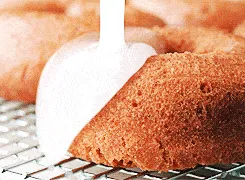
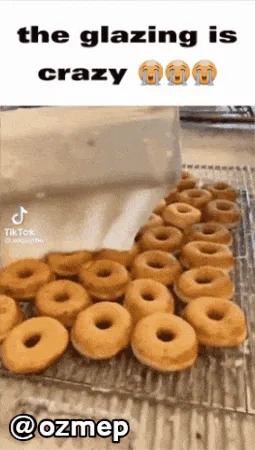
The imagery comes from the way a donut becomes coated in a shiny glaze, suggesting the praise is a superficial, sweet coating that hides the substance underneath.
The slang appears most often in pop-culture and sports contexts. Fans might say they are ‘glazing’ LeBron James when they flood social media with adulatory posts, even after a mediocre performance. Sports commentators have been called out for ‘glazing’ Patrick Mahomes when they praise him despite a bad play.
On Twitch, streamers like Kai Cenat have told photographers to ‘glaze’ them on red carpets, requesting exaggerated compliments, while xQc coined the term ‘glazington’ to label someone who engages in glazing. The term is frequently paired with GIFs of a donut being glazed, reinforcing the idea of a sweet but hollow coating.
Related expressions include ‘kissing ass’ and ‘sucking up’, and the slang can be deployed jokingly among friends or as a pointed rebuke. A separate, less-mainstream claim surfaced on X in 2026 where a user insisted the term originally referenced a sexual joke about ‘jizz’, but the dominant usage documented in news articles, TikTok videos, and Twitch streams centers on the meaning of excessive praise.
Variants such as ‘glazington’ and ‘glazer’ illustrate how the root word is adapted to label the actor or the act itself. [1][2][3][4]
The receipt
Original post, embedded from Tiktok, linked and credited. Visuals on this page are shown for commentary and identification.
The receipts
Documented, dated uses of “glaze”: each quote is verbatim from the linked source.
“When Hoda asked if glazing is positive, Lindsay explained that you do not want to be a “glazer.””
Seen in use
People using “glaze” in their own posts, each linked to the post itself. These are examples of use, not sources.
“Everyone is pretending “glaze” wasn’t originally about jizz.”
Every quote above passed the same verification gate this site publishes under: real source, real date, copied verbatim. See the editorial policy.
Where it came from
First seen: 2025
TikTok video by @itsokayspade in 2025 [1][2][3][4]
Why it's everywhere
The term’s rise can be traced to the early 2020s, when it first appeared on Twitter in November 2021 (per Know Your Meme) and quickly spread to TikTok and Twitch. Early adopters linked it to a Discord server called “rigby runtz”, and a 2025 TikTok video by @itsokayspade helped cement its presence in mainstream Gen Z vocabulary.
High-profile moments, such as Kai Cenat’s Grammys red-carpet request and xQc’s ‘glazington’ coinage, gave the word visibility across platforms, while the visual meme of a glazed donut made the concept instantly recognizable.
By 2024-2025, ‘glaze’ appeared in mainstream media coverage (e.g., an NBC 6 South Florida article explaining the term) and remained a staple in sports commentary and streaming chats. Its utility as a quick, shorthand way to call out overhype, whether directed at athletes, celebrities, or friends, kept it relevant.
The combination of meme-friendly imagery, endorsement by influential creators, and its clear social function has kept ‘glaze’ circulating widely, marking it as a stable part of current online vernacular rather than a fleeting fad.
How to use it
Use ‘glaze’ to call out excessive, possibly insincere praise; it usually carries a teasing or mildly critical tone.
- “During lunch duty, a student told Phillip Lindsay he didn’t want to be a ‘glazer’ after over-praising a classmate’s drawing.”School setting, correcting a peer’s over-the-top compliment
- “A Twitter user replied ‘he glazing’ to a post about Donald Trump and Kyle Rittenhouse, calling out excessive praise.”Political debate on Twitter, labeling unwarranted hype
- “Kai Cenat told photographers on the Grammys red carpet to ‘glaze’ him, asking for over-the-top compliments.”Twitch streamer requesting exaggerated praise at a live event
- “An X user wrote, ‘Everyone is pretending “glaze” wasn’t originally about jizz,’ highlighting a disputed sexual origin of the term.”Online discussion questioning the term’s roots
Frequently asked
Is “glaze” always negative?
Usually it carries a negative or teasing tone, implying the praise is excessive or biased, though it can be used jokingly among friends.
Can you use “glaze” to describe a compliment that’s sincere?
The slang typically applies when the praise feels over-the-top or unwarranted; sincere compliments aren’t usually called glazing.
Where did the term “glaze” come from?
It emerged in the early 2020s on Twitter and TikTok, with early claims pointing to a Discord server called “rigby runtz” and a 2025 TikTok video by @itsokayspade; some users also note an older, unrelated sexual joke, but the mainstream meaning is about excessive praise.