Gen Z Slang · reaction
What Does 'omgg' Mean?
Mainstream
What it means
In current Gen Z usage, omgg operates as an intensified reaction marker. The double G doesn't stand for additional words, it's orthographic stretching that mimics vocal elongation, the textual equivalent of holding a note. You'll see it in all caps (OMGG) or lowercase (omgg) depending on platform norms, but the all-caps form dominates on YouTube, TikTok, and X where it punctuates moments of genuine surprise, fangirling, or hyperbolic delight.
Unlike the early-2000s AIM usage where it simply meant "OMG with extra emphasis," today's omgg carries a specific tonal palette: it's playful, often camp, and frequently appears in stan culture contexts alongside vocabulary like slay, mother, ate, and yass.
The term has shed its niche associations (the "Oh My Gay God" Myspace era reference to Matthew Lush, the "Oh my goodness gracious" religious alternative) and now functions as a general-purpose amplifier that signals the poster is emotionally invested enough to break standard spelling.
The grammar of omgg is deliberately loose. It can stand alone as a complete utterance, "OMGG", or attach to a sentence fragment: "OMGG THE BIG CHEESE FROM THE NORMAL ELEVATOR." It often leads a comment, acting as a headline reaction before the user explains what triggered it.
In group chats it serves as a rapid-fire acknowledgment that something landed: a friend sends a fit pic, you reply "omgg." A creator drops a surprise collab, the comments flood with "OMGG." The double G also creates visual weight; in a fast-scrolling feed, OMGG catches the eye more than OMG. This orthographic signaling matters in attention economies where reaction comments compete for visibility.
Importantly, omgg is not ironic or cringe in its native contexts, it's sincere enthusiasm performed publicly. The same user who types "omgg she is slaying" likely means every character. Outside those communities, however, the spelling can read as performative or "try-hard," especially when deployed by brands or older users mimicking youth vernacular without the cultural fluency to pair it naturally with the surrounding slang ecosystem.
Confusion sometimes arises because omgg looks like a typo or a distinct acronym. Newcomers may try to expand it ("Oh My Goodness Gracious," "Oh My Gay God") but those are folk etymologies or historical artifacts, not the live meaning. The term is also distinct from "omg" used flatly or sarcastically, "omg" can be deadpan, dismissive, or automated; "omgg" almost never is.
Its closest functional relatives are "omfg" (intensified with profanity) and "omds" (UK variant, "oh my days"), but omgg occupies a cleaner, platform-safe register that avoids both profanity filters and regional specificity. That versatility helps explain its persistence: it works in YouTube comments, TikTok captions, Discord servers, and Instagram replies without triggering moderation or marking the user as belonging to a specific national subculture. [1]
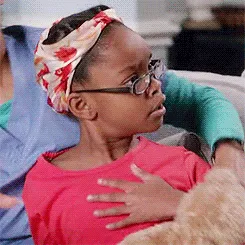
The receipt
Original post, embedded from Reddit, linked and credited. Visuals on this page are shown for commentary and identification.
Seen in use
People using “omgg” in their own posts, each linked to the post itself. These are examples of use, not sources.
Every quote above passed the same verification gate this site publishes under: real source, real date, copied verbatim. See the editorial policy.
Why it's everywhere
omgg's current staying power comes from its utility as a low-effort, high-signal reaction token in algorithmic feeds. On YouTube and TikTok, where comment visibility rewards early, emphatic engagement, the doubled G acts as a visual differentiator, a comment starting with OMGG stands out in a sea of OMG. Creators and power users model the form, and it cascades through reply chains as a norm.
Simultaneously, the term rides the broader trend of orthographic exaggeration ("sooo," "yesss," "slayyy") that defines Gen Z digital prosody. Because it carries no profanity, it survives brand-safe environments and cross-platform sharing, unlike omfg. The stan ecosystem, K-pop, pop stars, drag culture, niche fandoms, provides a constant engine of "moments" that demand a scream-sized reaction, and omgg fits that slot perfectly.
It's not trending because of a single viral video or meme; it's infrastructure now, the same way "lol" became infrastructure in the 2000s.
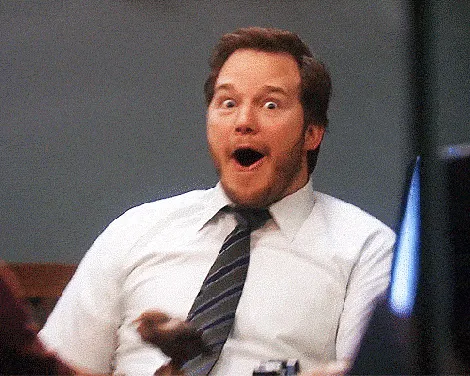
How to use it
Use freely in fandom spaces, group chats, and quote tweets to show genuine hype; avoid in professional contexts or around people who don't speak stan Twitter, it reads as performative outside its native register.
- “OMGG THE BIG CHEESE FROM THE NORMAL ELEVATOR”YouTube comment reacting to a surprise character reveal in a gaming video
- “omgg she is slaying with vampire yass slay queenn”TikTok/YouTube comment hyping a creator's outfit or transformation
- “omgg did you see the fit she posted?? ate and left no crumbs”Group chat reaction to a friend's Instagram story
- “OMGG MOTHER IS MOTHERING”Quote tweet celebrating a celebrity's iconic red carpet look
- “wait omgg that's the sample from track 3??”Discord music server noticing a production detail
- “omgg i'm crying the way he said "slay" 💀”Reply to a funny clip where someone uses slang unexpectedly
Frequently asked
What does omgg stand for?
It doesn't stand for anything new, it's just OMG with a doubled G for emphasis. Historical expansions like "Oh My Goodness Gracious" or "Oh My Gay God" are outdated niche usages, not the current meaning.
Is omgg different from omg?
Yes. omg can be flat, sarcastic, or automatic. omgg almost always signals genuine, heightened excitement or shock, it's the typed version of a gasp or scream.
Where is omgg used most?
YouTube comments, TikTok captions and replies, X quote tweets, Discord servers, and Instagram comments, anywhere fandom or stan culture lives.
Is it cringe to use omgg?
Not in its native contexts (fandom, group chats, stan Twitter). It reads as cringe when brands, older users, or people outside those communities force it without the surrounding slang fluency.
How do you pronounce omgg?
Most people say the letters O-M-G with extra stress on the G, or "oh-em-gee-gee." It's rarely spoken aloud, it's a written form.