Gen Z Slang · anime fandom
What Does 'waifu' Mean?
Mainstream
See it in action
Video: What is a Waifu?, embedded from its original platform.
What it means
Waifu originated as a playful rendering of the English word "wife" in Japanese phonology and is used to describe a fictional female character toward whom a fan feels romantic or sexual attraction.
While the core sense focuses on female characters from anime, manga, video games, or other visual media, the term has expanded in practice to include male counterparts (often called husbando) and even non-human or abstract favorites that evoke similar feelings of affection.
Beyond simple attraction, calling something a waifu signals a parasocial relationship: fans invest emotional energy, imagine scenarios, and may feel genuine attachment to the character. The expression is used affectionately in conversations, memes, and personal profiles, often with a tone that ranges from sincere devotion to light-hearted joking. Fans may speak of having multiple waifus, and the plural form "waifus" appears in discussions about favorite casts or character rosters.
Modern technology has deepened the waifu experience. Generative AI chatbots allow users to converse with digital versions of their chosen characters, while virtual, augmented, and extended reality platforms let fans "meet" their waifus in immersive spaces. The concept has also crossed over into gaming communities, where players label beloved NPCs or player-created avatars as waifus, reinforcing the term’s staying power across diverse fandoms.
In everyday use the word can carry a joking or self-deprecating tone (e.g., proclaiming a 2D character as one’s "wife" for meme effect) or be confused with the genuine Japanese word for wife (妻, tsuma), which native speakers reserve for real-life spouses; waifu remains a fandom-specific, affectionate label rather than a literal marital term. [1][2][3][4]

The receipt
Original post, embedded from Reddit, linked and credited. Visuals on this page are shown for commentary and identification.
The receipts
Documented, dated uses of “waifu”: each quote is verbatim from the linked source.
“I feel like I can express my feelings of love best when I call my waifu 'waifu'.”
Seen in use
People using “waifu” in their own posts, each linked to the post itself. These are examples of use, not sources.
“I have discovered Monster Hunter: Wilds has: A waifu named Alma. Another waifu named Gemma. And a straight-up MOMMY, Olivia.”
Every quote above passed the same verification gate this site publishes under: real source, real date, copied verbatim. See the editorial policy.
Why it's everywhere
According to a 2025 study cited in the Wikipedia entry, roughly 38 % of anime fans report having a waifu or husbando, showing that the idea is widespread rather than niche.
The resurgence is also driven by new ways to interact with fictional figures. AI-powered chatbots that simulate a waifu’s personality, combined with VR/AR apps that place fans alongside their favorite characters, keep the concept fresh and tangible.
These technological touchpoints, together with cross-fandom adoption in gaming, Western animation, and even live-action media, ensure that waifu remains a relevant and widely understood term in online youth culture.
Personal testimonies, such as a 2025-07-27 note.com reflection describing how a long-term attachment to a male character evolved into calling him "waifu," illustrate how the word can encapsulate deep, lasting emotional bonds that motivate continued use and sharing among fans.
The term’s visibility is further boosted by merchandise, fan art, and convention waifu-themed panels, which reinforce its presence in both online and offline fan spaces.
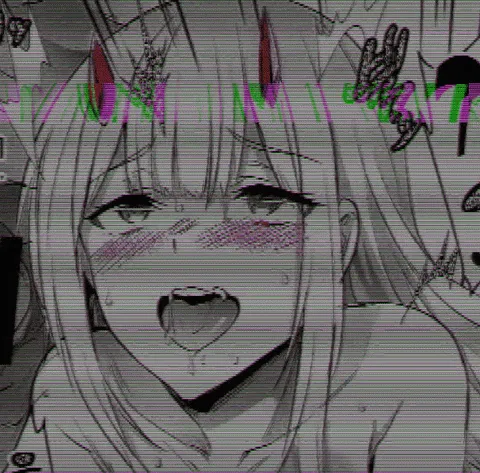
How to use it
Used affectionately in fandom chats; generally not cringe among peers but may seem odd outside anime circles.
- “I finally finished the game, and now I can proudly say that my waifu is the knight commander.”gaming forum discussion about a favorite NPC
- “My waifu has the best smile; I could watch her scenes all day.”anime fan tweet praising a character’s design
- “Just bought a figure of my waifu; she looks perfect on my shelf.”Reddit post showing off merchandise
- “Even though she's a dragon, she's totally my waifu.”meme caption celebrating an unconventional favorite
Frequently asked
Is waifu only for female characters?
While waifu originally refers to fictional female characters, the term is often used for any character one feels affection for, with male equivalents called husbando and even non-human or abstract favorites.
Can you have more than one waifu?
Many fans jokingly claim multiple waifus, though some communities tease that having too many ruins your “laifu”; ultimately it’s a personal choice.
Does using waifu mean you believe the character is real?
No; it acknowledges a fictional crush or parasocial bond, similar to liking a celebrity, without confusing fantasy with reality.