Gen Z Slang · reaction
What Does 'mid' Mean?
Mainstream
“This sushi is pretty mid. I should've gotten the ramen.”
via usatoday.com
By the numbers
GenZHype Trend Engine · YouTube reach + Wiktionary lookupsmid is steady right now: it scores 77/100 on the GenZHype trend index, with roughly 30M YouTube views, and about 37 Wiktionary lookups a day, as of Sep 24, 2026 (GenZHype Trend Engine).
Live trend read for “mid”: combined YouTube reach + dictionary lookups, scored by a Mann-Kendall trend test on the daily series, as of Sep 24, 2026. Built in-house, refreshed nightly.
See it in action
Video: What does MID mean in English slang? #english #learnenglish #shorts, embedded from its original platform.
What it means
In current slang, **mid** is the ultimate label for aggressive mediocrity. While it literally means 'middle,' using it as a critique signals that something is unimpressive, boring, or just 'okay' in a way that feels like a letdown.
It's not necessarily used for things that are absolute trash, which would be a more intense critique, but for things that are mid-tier or unexceptional, especially when they were hyped up to be great. On a 1-10 scale, mid usually lands around a 4, 5, or 6. It's a way to dismiss something as forgettable or basic, effectively stripping it of any prestige.
Outside of this evaluative slang, 'mid' retains its specific gaming meaning, referring to the center lane or middle of the battlefield in competitive maps (e.g., 'push mid'). [1][2][3][4][5][6]
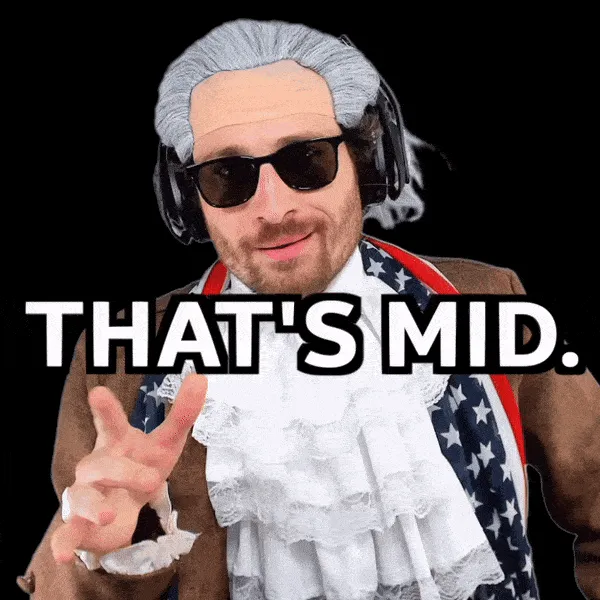
The receipt
Original post, embedded from Reddit, linked and credited. Visuals on this page are shown for commentary and identification.
The receipts
Documented, dated uses of “mid” — each quote is verbatim from the linked source.
“Add us as a preferred sourceA speech bubble with the sentence “that’s mid” in it | Mental FlosIn everyday language, you’ll hear people talk about things being in midair, or in the mid-Atlantic. We have midterms, and both…”
“Add us as a preferred sourceA speech bubble with the sentence “that’s mid” in it | Mental FlosIn everyday language, you’ll hear people talk about things being in midair, or in the mid-Atlantic. We have midterms, and both…”
“What does 'mid' mean? Here's what the internet slang term means and how to use it.Olivia Munson | USA TODAYFrom "smh" to "IMO," there are so many slang and shorthand terms used online. Maybe you have even been scrollin…”
“Add us as a preferred sourceA speech bubble with the sentence “that’s mid” in it | Mental FlosIn everyday language, you’ll hear people talk about things being in midair, or in the mid-Atlantic. We have midterms, and both…”
“What does 'mid' mean? Here's what the internet slang term means and how to use it.Olivia Munson | USA TODAYFrom "smh" to "IMO," there are so many slang and shorthand terms used online. Maybe you have even been scrollin…”
Every quote above passed the same verification gate this site publishes under: real source, real date, copied verbatim. See the editorial policy.
Where it came from
The term evolved from cannabis culture, where 'mid' was shorthand for 'mid-grade' marijuana, weed that was average in potency and quality, neither top-shelf nor bottom-of-the-barrel. This usage dates back to at least the early 2000s. By the early 2010s, the term began leaking into general music and pop culture circles to describe mediocre releases, moving beyond its original association with weed to describe anything of middling quality. [1][2][3][4][5][6]

Why it's everywhere
While the term existed in niche circles for years, it exploded into the mainstream via TikTok and Twitter. A major catalyst was the discourse surrounding Drake's 2021 album *Certified Lover Boy*, which many users labeled as 'mid' in viral posts.
The trend was further cemented by a viral TikTok clip of wrestler Maxwell Jacob Friedman, who joked that the 'Midwest' is called that because 'every single thing in it is mid.' This combination of high-profile music critiques and memeable short-form video content turned 'mid' into a go-to insult for Gen Z and Alpha to shut down hype culture.

How to use it
Casual and widely understood among Gen Z; using it in formal settings may seem unprofessional.
- “I don't get the hype around that new spot; the food was honestly mid.”Reviewing a trendy restaurant that didn't live up to the social media buzz.
- “The first season was a masterpiece, but the revival is mid at best.”Comparing a classic TV show to its mediocre modern reboot.
- “Stop camping mid and actually rotate with the team!”A teammate shouting instructions during a competitive multiplayer match.
- “He thinks he's a 10, but his style is pretty mid.”Critiquing someone's fashion sense as basic or uninspired.
Frequently asked
Is ‘mid’ always negative?
Mostly yes; it signals average or below-average quality, often with a dismissive tone.
Can ‘mid’ be used for people?
It can describe looks or style, but using it for a person’s character can sound harsh.
How does ‘mid’ differ from ‘meh’?
‘Meh’ is a neutral expression of indifference, while ‘mid’ explicitly labels something as mediocre or low-quality.
Related slang (3)
More slang (6)
Sources (6)
- en.wiktionary.org — Wiktionary: mid
- urbandictionary.com — Urban Dictionary: mid
- mentalfloss.com — Yes, We’ll Tell You: This Is What “Mid” Means
- dictionary.com — mid | Slang | Dictionary.com
- knowyourmeme.com — What Is 'Mid?' Everything About The Internet's New Favorite Slang Insult And How... | Know Your Meme
- usatoday.com — What does 'mid' mean? Get to know the TikTok slang and how to use it.