Gen Z Slang · endearment
What Does 'habibi' Mean?
Mainstream
See it in action
Video: THE SECRET MEANING BEHIND THE WORD 'HABIBI' YOU WON'T BELIEVE!, embedded from its original platform.
What it means
Habibi (حبيبي) is an Arabic expression that literally translates to ‘my beloved’ or ‘my love’. It is formed from the root ح-ب-ب (hubb) meaning ‘love’, with the possessive suffix -i indicating ‘my’. The term is used primarily as a pet name for males; the feminine counterpart is habibti (حبيبتي) for females.
In Arabic-speaking contexts, habibi appears in romantic exchanges, between close friends, and within families, functioning as a flexible marker of affection.
The meaning of habibi is highly dependent on tone, relationship, and situation. Between men it often serves as a casual, friendly glue, similar to ‘mate’ or ‘dude’, and can be exchanged repeatedly in a short conversation. When a man says habibi to a woman he knows well, it may signal flirtation, but it can also convey brotherly or fatherly warmth, especially from older relatives.
Using habibi with someone you have just met, particularly across genders, can be perceived as overly familiar, so many speakers wait for the other person to initiate it. Beyond affection, habibi can express gratitude, soften a refusal, convey surprise or anger, and even be employed sarcastically or aggressively in heated exchanges.
In German youth culture, habibi has become firmly established since around 2015, spreading through music, social media, and online communication. It is used affectionately or teasingly, appears in songs and apps like WhatsApp, and has inspired related forms such as the feminine habibti and the friendly variant habibo.
Its growing use reflects a broader trend of integrating Arabic terms into everyday language, highlighting cultural exchange and the term’s appeal as a versatile expression of warmth. [1][2][3][4][5]
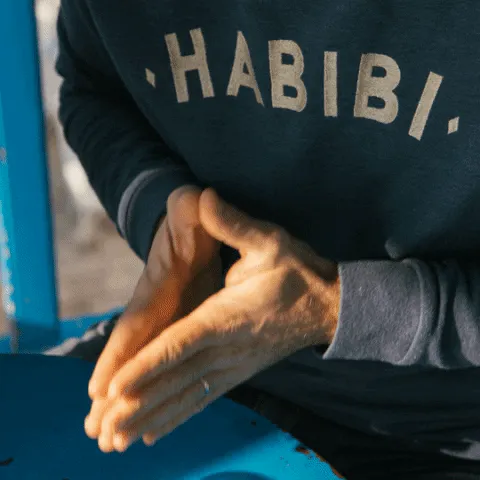
The receipt
Original post, embedded from Reddit, linked and credited. Visuals on this page are shown for commentary and identification.
The receipts
Documented, dated uses of “habibi” — each quote is verbatim from the linked source.
“Habibi come to Dubai 👌 #dubai #habibi #uae #travel #reelitfeelit”
“habibi 🙌 #dubai #habibi #afgan #dubailife”
“appy, silly, loving boy will forever be one of the greatest gifts of our lives. Habibi, you were worth every single step. ❤️ #Habibi #RescueDog #RescueDogJourney”
Every quote above passed the same verification gate this site publishes under: real source, real date, copied verbatim. See the editorial policy.
Why it's everywhere
The term’s rise in popularity is closely tied to its presence in music and social media, which have exposed wider audiences to the Arabic endearment. As songs and online content featuring habibi circulated, young people in Germany began adopting it into their speech, a process noted to have taken hold around 2015.
This diffusion was facilitated by the term’s melodic sound and its ability to convey closeness in a casual, playful way.
Current data shows habibi as a prominent youth search term, with approximately 72,000 monthly Google queries and ranking as the second most popular youth word in certain surveys. Its popularity underscores a broader linguistic trend where foreign-language expressions are absorbed into daily vernacular, reflecting increased cultural interconnectivity. The continued use of habibi in digital chats, streaming platforms, and everyday conversation keeps it visible and relevant among Gen Z speakers today.
How to use it
Used affectionately or teasingly; tone and context determine whether it reads as romantic, friendly, or overly familiar.
- “Hey habibi, want to grab coffee after class?”Casual invitation between friends
- “Thanks for the notes, habibi! You saved my grade.”Expressing gratitude to a classmate
- “Habibi, you’re driving me crazy with those jokes!”Playful teasing among close friends
- “Habibi, can you pass the salt, please?”Polite request in a relaxed setting
- “Habibi, I missed you so much, let’s catch up soon.”Warm greeting between partners or close friends
Frequently asked
Is habibi romantic or just friendly?
It depends on context, tone, and the relationship between speakers; it can range from deep romantic affection to casual friendliness, especially between men who use it as a standard greeting.
Can women say habibi to men?
Yes. Habibi is used for males regardless of the speaker’s gender, so women say habibi to male friends, partners, brothers, or sons.
What is the feminine form of habibi?
The feminine form is habibti (حبيبتي), used when addressing a woman or girl.
Is it appropriate to use habibi with strangers?
Using habibi with someone you have just met can be seen as overly familiar; many speakers wait for the other person to use it first, especially across genders.
Related slang (2)
More slang (6)
Sources (5)
- basic-tutorials.com — Habibi meaning - Arabic pet name explained
- ni7ki.com — What Does "Habibi" Mean? Palestinian Arabic Explained | Yalla Ni7ki Sawa
- playaling.com — The Meaning of "Habibi" in Arabic (dialects with audio!) - Playaling
- urbandictionary.com — Urban Dictionary: habibi
- dictionary.com — habibi | Slang | Dictionary.com