Gen Z Slang · general
What Does 'lock in' Mean?
Emerging
See it in action
Video: What Does Lock In Mean?, embedded from its original platform.
What it means
In its most literal sense, *to lock in* means to place something inside a secured enclosure so that it cannot leave, think of locking a pet in a crate or sealing a valuable item in a safe.
The phrase quickly migrated into business-speak, where it describes the act of fixing a variable so it cannot change: a company might *lock in* a price, a consumer might *lock in* an interest rate, or a marketer might *lock in* a customer by signing a long-term contract.
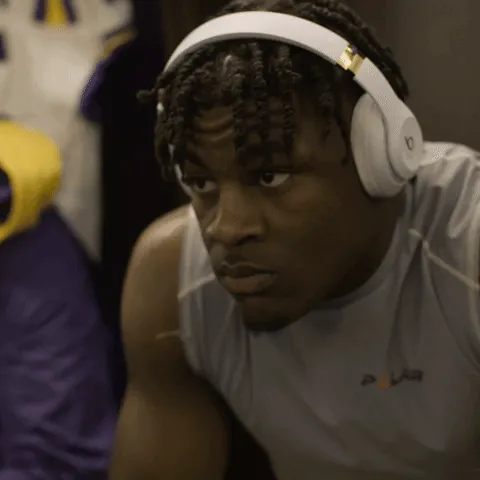
From there, a more colloquial, high-energy meaning emerged on the internet and in youth culture: *to lock in* now signals a mental or physical state of intense focus, preparation, or readiness. When a gamer says, “I’m locking in for the final round,” they mean they’re zeroing in, shutting out distractions, and committing fully to the task.
In music production, a producer might *lock in* a groove, meaning they’ve nailed the timing and feel so tightly that it becomes the foundation of the track. In everyday slang, the phrase can also convey a sense of certainty or commitment, “We’re locked in for Friday night” means the plans are set in stone.
The term’s flexibility allows it to be used across a surprising range of contexts: finance (securing a rate), tech (locking in a feature flag), sports (locking in a play), education (locking in study time), and even social plans (locking in a meetup). Each usage shares a core metaphor of making something immovable or unchangeable, whether that something is a numeric value, a beat, or a personal intention. [1][2][3]
Where it came from
First seen: debated
The earliest documented use of *lock in* appears in 19th-century technical manuals, where it described physically securing an object inside a lockable compartment. The Oxford English Dictionary cites a 1865 newspaper report of a railway company that "locked in" freight cars to prevent theft.
By the mid-20th century, the phrase entered business jargon; the 1970s financial press used it to describe the practice of fixing an interest rate for a loan, an idiom that persists in modern mortgage and credit-card advertising.
The figurative leap to mental focus is traceable to the early 2000s hip-hop and electronic-dance scenes. Producers would tell engineers to "lock in the groove" once a drum pattern felt solid, a usage that spread through online forums and mixtape liner notes.
Around 2014, the phrase entered mainstream youth slang via social media platforms like Twitter and TikTok, where users posted videos captioned "Locking in for finals" or "Lock in the vibe". Urban Dictionary’s first entry (posted in 2015) defines it as "to get serious, focus, and not let anything distract you," reflecting this newer, motivational sense.
Linguists note that the phrase benefits from the strong visual metaphor of a lock, something that secures, protects, and makes change difficult. This metaphorical potency, combined with the brevity of the two-word construction, made it ripe for rapid adoption across disparate subcultures. [1][2][3]
Why it's everywhere
The resurgence of *lock in* in 2022-2024 aligns with a broader cultural emphasis on productivity hacks and mental-performance framing. Influencers in the "study with me" niche routinely use the phrase to brand livestreams: "Lock-in session starts now," turning a simple verb into a hashtag that aggregates millions of views.
Meanwhile, fintech startups market their services with slogans like "Lock in your rate today," capitalizing on the word's connotation of security and certainty in an otherwise volatile market.
On TikTok, a popular audio clip from a 2023 esports tournament featured a commentator shouting, "Lock in!" right before a decisive play. The clip was remixed thousands of times, each iteration pairing the phrase with unrelated challenges, cooking, dancing, even pet grooming, demonstrating its meme-ability. Because the phrase can be applied to anything that requires commitment, it fits the platform’s algorithmic preference for versatile, repeatable catchphrases.
In addition, the phrase dovetails with the rise of "lock-in" contracts in the gig economy, where platforms promise workers a guaranteed income stream if they commit to a certain number of hours. Journalists writing about these arrangements often quote workers saying they "locked in" a shift, further cementing the term in contemporary discourse.
All of these forces, productivity culture, meme propagation, and economic jargon, create a feedback loop that keeps *lock in* visible on timelines, in ad copy, and in everyday conversation, ensuring its staying power for the foreseeable future.

How to use it
Casual and confident; not cringe unless overused in forced hype.
- “I just locked in a 2.75% APR on my mortgage before rates started climbing again.”A homeowner texting a friend about securing a low interest rate during a volatile market.
- “Alright team, lock in the tempo before the drop, everyone on cue at 1:12.”A music producer directing a live streaming session with fellow DJs, emphasizing precise timing.
- “Lock in for the finals this weekend; no phone, no breaks, just pure grind.”A college student posting in a group chat to motivate peers to study intensively.
- “We’re locked in for Saturday night at the new speakeasy, no changes.”Friends confirming plans via a group message, indicating the arrangement is final.
Frequently asked
Can ‘lock in’ be used as a noun?
In slang it’s primarily a verb; the noun form is rare and not documented in the sources.
Is ‘lock in’ appropriate in formal writing?
It’s acceptable in informal contexts; for formal writing use ‘secure’ or ‘fix.’
Related slang
More slang
Sources
- en.wikipedia.org — Wikipedia: Lock In
- en.wiktionary.org — Wiktionary: lock in
- urbandictionary.com — Urban Dictionary: lock in