Meme · meme
The 'Italian Brainrot' Meme, Explained
Fading
“I went on trips with my boys to Mexico”
via digitaljournal.com
By the numbers
GenZHype Trend Engine · YouTube reach + Wikipedia interestitalian brainrot is fading right now: it scores 99/100 on the GenZHype trend index, with roughly 75M YouTube views, and about 2,403 Wikipedia reads a day, as of Sep 22, 2026 (GenZHype Trend Engine).
Live trend read for “italian brainrot”: combined YouTube reach + reading interest, scored by a Mann-Kendall trend test on the daily series, as of Sep 22, 2026. Built in-house, refreshed nightly.
See it in action
Video: Italian Brainrot Is Insane, embedded from its original platform.
What the meme is
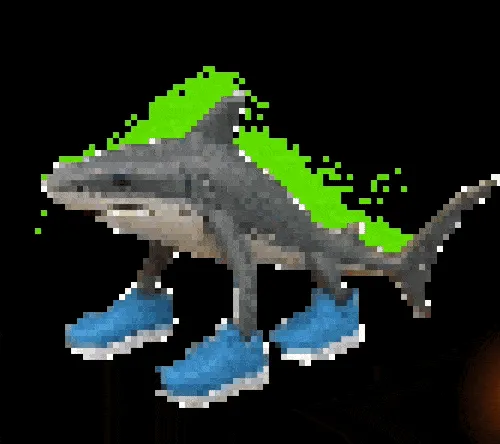
Italian Brainrot is a hyper-absurd meme subgenre that fuses AI-generated, deliberately surreal visuals with over-the-top, garbled Italian-flavored voice-overs. The aesthetic is defined by bizarre juxtapositions, sharks in high-top sneakers, oranges with biceps, anthropomorphic coffee cups that dance, paired with text-to-speech narration that sounds like a mash-up of broken Italian pop lyrics, operatic exclamations, and random English interjections.
The term “brainrot” signals the meme’s intentional low-effort, mind-numbing consumption: viewers scroll through a cascade of nonsense that feels both hypnotic and pointless, a kind of digital junk food that “rots” the brain in a funny way.
The jokes are multilayered: the absurdity of the image, the ridiculousness of the forced Italian accent, and the self-aware meta-commentary that the creator knows the content is meaningless yet still compelling enough to binge-watch. The format often includes recurring characters with pseudo-Italian monikers (e.g., Tralalero Tralala, Ballerina Cappuccina, Pesto the Pug), each given a flimsy backstory that fans expand into fan-fiction, memes-within-memes, and mock-dramatic narratives.
The humor thrives on the clash between cutting-edge AI tools, Stable Diffusion, Midjourney, DALL·E, and the low-tech, meme-culture voice-over that sounds like a badly dubbed anime trailer. The result is a self-referential loop that feels both futuristic and nostalgically trashy, perfectly calibrated for Gen Z’s appetite for remixable, instantly consumable content.
Beyond the visual gags, Italian Brainrot has become a linguistic meme. Phrases like “Mamma mia, what’s dis?” or “Spaghetti power!” are dropped into captions, turning the Italian stereotype into a punchline that’s both affectionate and absurd. The meme’s soundtrack often includes synth-heavy, lo-fi beats that mimic 90s Italian pop, further layering the parody.
Because the audio is usually generated by free text-to-speech engines, the pronunciation is intentionally off-kilter, adding another layer of comedic dissonance. The overall effect is a sensory overload that invites viewers to laugh at the sheer randomness while simultaneously recognizing the shared cultural reference point of AI-driven meme culture. [1][2][3][4][5][6][7][8][9]
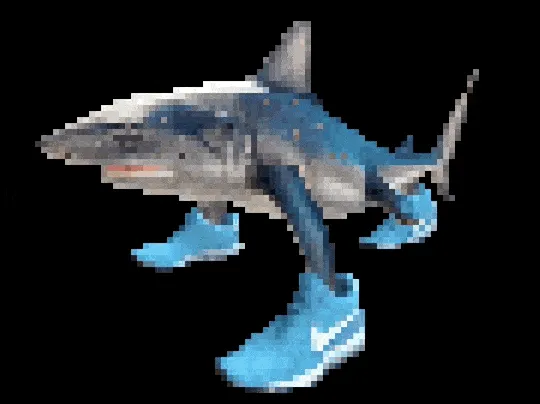
The receipt
Original post, embedded from Tiktok, linked and credited. Visuals on this page are shown for commentary and identification.
The receipts
Documented, dated uses of “italian brainrot” — each quote is verbatim from the linked source.
“AdvertisementMemes‘Bombardino Crocodilo’ is leading a parade of absurd brainrot animal memesAABy Angela Andaloro2:15 PM CDT on April 9, 2025 Add The Daily Dot to Google@jayjoe030z, @bombini.ai, @crockodilloBombardino Cro…”
“Italian Brainrot Challenge: A beginner's guide Your login session has expired. Please logout and login again. × Roblox Roblox Promo Codes Blox Fruits codes Roblox Guides Jujutsu Infinite Codes SpongeBob Tower Defense Cod…”
“Home » Technology » Artificial Intelligence Italian Brainrot: the AI memes only kids know AFP August 10, 2025 School-age Italian Brainrot fans can be found from Kenya to Spain and South Korea – Copyright AFP Richard A. B…”
“Italian brainrot: The AI memes only kids knowSign up now: Get ST's newsletters delivered to your inboxA rack of toys and keyrings inspired by the cartoonish AI creatures of the online phenomenon called Italian brainrot. …”
“AdvertisementMemes‘Bombardino Crocodilo’ is leading a parade of absurd brainrot animal memesAABy Angela Andaloro2:15 PM CDT on April 9, 2025 Add The Daily Dot to Google@jayjoe030z, @bombini.ai, @crockodilloBombardino Cro…”
“Italian Brainrot Challenge: A beginner's guide Your login session has expired. Please logout and login again. × Roblox Roblox Promo Codes Blox Fruits codes Roblox Guides Jujutsu Infinite Codes SpongeBob Tower Defense Cod…”
Every quote above passed the same verification gate this site publishes under: real source, real date, copied verbatim. See the editorial policy.
How it spread
Italian Brainrot rides the perfect wave of Gen Z’s love for remixable, algorithm-friendly content. The AI-driven creation pipeline means anyone with a free account on Stable Diffusion or Midjourney can spawn a fresh meme in under five minutes, lowering the barrier to entry and flooding feeds with endless variations.
TikTok’s short-form loop amplifies this by rewarding high-energy, attention-grabbing clips; the garbled Italian voice-overs act as an auditory hook that forces viewers to watch the whole 15-second burst.
The meme also satisfies a meta-humor appetite. Gen Z is increasingly aware of the absurdity of meme production itself, and Italian Brainrot leans into that self-referentiality. By labeling the content as “brainrot,” creators pre-empt criticism and turn the act of mindless scrolling into a badge of honor. This self-aware framing makes the meme feel inclusive, viewers are in on the joke that they’re deliberately consuming nonsense.
Cultural diffusion plays a role too. The South China Morning Post highlights how Indonesian creators localized the format while preserving the Italian aesthetic, proving the meme’s flexibility across linguistic borders. This cross-regional remixability fuels virality: a meme born in Jakarta can be re-uploaded on TikTok US, picked up by a Discord server in Italy, and then referenced in a late-night talk show in the United States.
Finally, the meme’s absurdist visuals tap into a broader internet trend toward surrealism, think “deep fried” images and glitch art. The combination of high-tech AI output with low-tech, intentionally bad TTS audio creates a dissonance that feels fresh and unpredictable, keeping the audience’s dopamine spikes high and encouraging repeat shares.
Variants & examples
Casual, playful register; still fresh, not yet considered cringe.
- “Bruh, just saw the new Italian Brainrot clip, shark in Jordans doing the Macarena. Absolute chaos.”Friend texting after scrolling TikTok for 30 minutes
- “Every time the Italian Brainrot voice says “Mamma mia, what’s dis?” I lose a brain cell and love it.”Comment on a meme compilation video on YouTube
- “My Discord server just made a whole saga for Ballerina Cappuccina. She’s now engaged to Pesto the Pug. #ItalianBrainrot”Posting in a meme-creation Discord channel
- “Even John Mayer couldn’t explain it, but we’re still vibing to that synth-pop Italian brainrot beat.”Tweet reacting to the Conan O’Brien interview
Frequently asked
What does 'Italian Brainrot' mean?
It’s a meme style that pairs bizarre AI pictures with goofy Italian-style names and voice-overs.
Where did it start?
Around April 2025, when creators first began posting AI-generated images with Italian-sounding gibberish on TikTok.
Is it still popular?
Yes, it’s currently peaking, with new characters and storylines appearing weekly.
Related memes (2)
More memes (6)
Sources (9)
- urbandictionary.com — Urban Dictionary: italian brainrot
- dailydot.com — ‘Bombardino Crocodilo’ is leading a parade of absurd brainrot animal memes
- sportskeeda.com — Italian Brainrot Challenge: A beginner's guide
- digitaljournal.com — Italian Brainrot: the AI memes only kids know - Digital Journal
- straitstimes.com — Italian brainrot: The AI memes only kids know | The Straits Times
- euronews.com — Nonsensical AI-generated memes are everywhere. What is Italian Brain Rot? | Euronews
- dailydot.com — Ballerina Bappuccina: The cappuccino-headed ballerina fueling Italian brainrot on TikTok
- ibtimes.co.uk — From Tralalero to Taylor Swift Memes: How Italian BrainRot Took Over TikTok (and Celebrities Too!) | IBTimes UK
- scmp.com — How Indonesia’s AI-generated ‘Italian brainrot’ memes conquered Gen Z | South China Morning Post