Meme · meme
The 'I'm So Sorry Trend' Meme, Explained
Peaking now
See it in action
Video: I'm sorry 💔 #chocopikauwu #gacha #trend #memes #gachaedit, embedded from its original platform.
What the meme is
The 'I'm So Sorry' trend is a native TikTok slideshow format that plays with the platform's carousel feature to deliver a structured comedic reveal. A creator uploads a series of images, typically starting with a polished or idealized photo that they present as genuine.
Each subsequent slide peels back a layer of editing: a partner erased, a physique altered, a costume swapped, until the final slide shows the unvarnished original, accompanied by a caption like 'I'm so sorry' or 'I lied.' The humor derives from the deliberate escalation of absurdity and the deadpan apology that frames the whole sequence as a confession.
While the mechanic works with any heavily edited image, the dominant current usage among US Gen Z centers on childhood Halloween costumes that are cringe, culturally insensitive, or just hilariously misguided in hindsight. Participants dig up old family photos, princess dresses that turn out to be geisha costumes, homemade helmet props, Duck Dynasty getups, and use the slideshow to recontextualize them as elaborate lies.
The trend carries an affectionate, self-roasting tone: the creator is in on the joke, inviting viewers to laugh at their past self rather than at someone else. It functions as a collective nostalgia trip where the 'apology' is performative, a punchline that acknowledges the gap between memory and reality.
The format also accommodates non-costume variants: relationship anniversary posts where the partner is fake, fitness progress pics where the muscles are drawn on, or any scenario where the initial image projects a desirable reality that the slides dismantle. What unifies them is the rhythm, setup, escalation, payoff, and the shared language of the 'I'm so sorry' caption, which acts as a genre marker.
Viewers recognize the structure instantly, allowing creators to subvert expectations within a familiar frame. The trend reads as participatory folklore: each new version riffs on the last, and the comment sections become spaces for communal cringe-sharing, with users posting their own embarrassing photos in reply. [1]
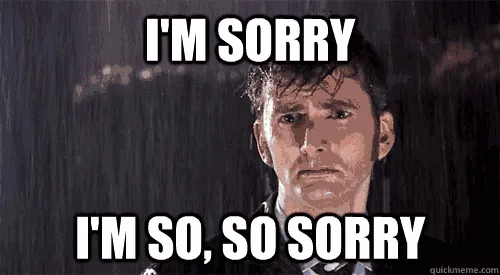
Seen in use
People using “I'm So Sorry trend” in their own posts, each linked to the post itself. These are examples of use, not sources.
“posted a version of the trend that begins with her in a princess dress as a kid and ends with the reveal that she was actually dressed as a geisha”
“posted a version of the trend about a costume helmet that their brother made”
“”
“”
“”
Every quote above passed the same verification gate this site publishes under: real source, real date, copied verbatim. See the editorial policy.
How it spread
The trend surged because its slideshow structure aligns perfectly with TikTok's algorithmic preferences: high retention (viewers swipe through all slides), strong engagement (comments sharing similar stories), and easy remixability (anyone with a photo album can participate).
The August 2026 origin post by @theywanthunter demonstrated the format's viral potential, 25.6 million views proved the template, and the October wave amplified it through high-profile examples. @mels.vd's September entry (6M+ views), @girllover4u1's princess-to-geisha reveal (2.1M views in two days), and @ciaraamandaa's brother's helmet costume (2.9M views in one day) each showcased a different flavor of the same joke, keeping the format fresh while reinforcing the core mechanic.
Cross-platform spillover accelerated the peak. On October 21, 2026, X user @NotJustLerato quote-tweeted the trend with 'The "I'm so sorry trend" on TikTok is so funny😭✋ It is actually making me feel better about my childhood photos😂🙆🏻♀️,' earning 3,500+ likes in a day and signaling mainstream awareness beyond TikTok. The trend's emotional hook, transforming personal embarrassment into shared relief, resonates broadly: it reframes cringe as connective tissue.
As of late October 2026, the hashtag #imsosorry remains active with thousands of new slideshows daily, placing the trend squarely in its peaking phase: ubiquitous on For You pages, referenced in off-platform conversation, and still generating novel variations rather than pure repetition.
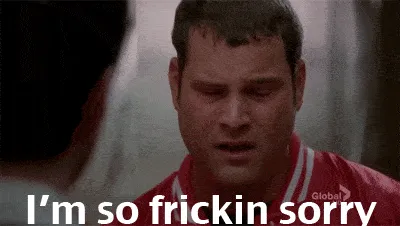
Variants & examples
Used humorously and self-deprecatingly; not cringe yet, still in active creative peak. Deploy when revealing a funny discrepancy between a curated image and reality.
- “Just posted my I'm So Sorry trend, slide one is me at prom, slide five is the unedited version with my dad's tux and a bowl cut.”TikTok caption announcing a new slideshow
- “The I'm So Sorry trend is the only thing getting me through this week; watching people reveal their racist childhood costumes is oddly healing.”X/Twitter reaction to the trend
- “My sister made an I'm So Sorry slideshow about our 2009 Halloween, she was a 'sexy nurse' at age seven, I was a trash bag. The apology slide killed me.”Group chat sharing a family member's post
- “Everyone's doing the I'm So Sorry trend with Halloween pics but I'm waiting for someone to do it with their LinkedIn headshot vs. their 6 AM Zoom face.”TikTok comment suggesting a variant
- “Saw an I'm So Sorry trend where a guy's 'gym progress' slides ended with him admitting he just drew abs on with marker. The commitment levels are insane.”Reddit thread discussing standout examples
Frequently asked
What exactly is the 'I'm So Sorry' trend on TikTok?
It's a slideshow format where creators post a seemingly real photo, then use subsequent slides to reveal it was heavily edited, often exposing embarrassing childhood Halloween costumes, ending with a mock 'I'm so sorry' apology slide.
When did the trend start and who created it?
The earliest known version was posted by TikToker @theywanthunter on August 22, 2026, featuring a fake anniversary photo that progressively revealed the man was edited to look muscular, have hair, and be with a partner who wasn't there.
Why are Halloween costumes such a common subject for this trend?
Childhood Halloween photos are universally relatable, often cringe in hindsight, and sometimes culturally insensitive, making them perfect material for the trend's structure of escalating reveals and performative apology.
Is the trend mean-spirited or bullying?
No, it's self-deprecating. The creator is the one who 'lied' in the first slide, and the apology is a joke on themselves. Comment sections typically become supportive spaces where others share their own embarrassing photos.
Can I participate without a childhood Halloween photo?
Absolutely. The format works with any edited image: fake relationship posts, doctored fitness pics, altered travel photos, anything where the gap between the curated first slide and the real final slide delivers a comedic payoff.