Gen Z Slang · social dynamics
What Does 'Pretty Privilege' Mean?
Mainstream
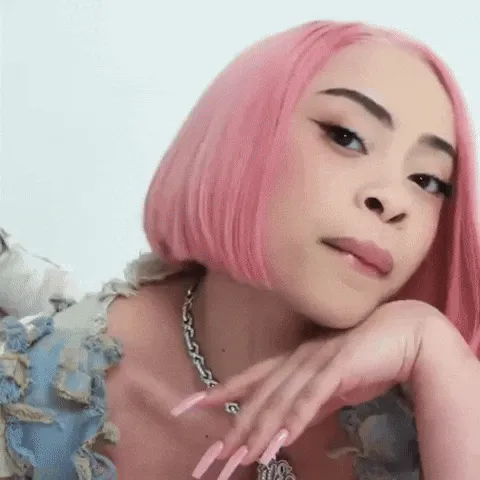
“I'm aware that I'm a pretty woman, but it's never something that I use to get me through the challenges or levels of my life.”
via glamourmagazine.co.uk
See it in action
Video: The Psychology of Pretty Privilege, embedded from its original platform.
What it means
In its dominant current usage, 'pretty privilege' refers to the observed tendency for individuals who are viewed as more attractive or 'pretty' to consistently receive a disproportionate share of opportunities, benefits, attention, or other perks compared to their less attractive counterparts. This concept highlights a systemic social advantage where physical attractiveness acts as a form of unearned social currency.
The benefits granted by pretty privilege are expansive, impacting critical areas such as career trajectory, where attractive individuals may secure better job offers, promotions, or more favorable treatment in professional settings. It also significantly influences social acceptance, leading to easier integration into social groups, more positive initial interactions, and generally more favorable treatment in everyday scenarios.
Furthermore, its effects can extend to legal aid, where perceived attractiveness might subtly influence outcomes or the way an individual is treated within the justice system, and it deeply intertwines with gender dynamics, reflecting societal expectations for attractiveness.
While the term emerged from online feminist discourse primarily concerning how women are expected to be attractive, especially relative to men, its application is not strictly gender-limited; it can describe any person who experiences social advantages due to their physical appearance. The concept functions both descriptively, to label this observable social phenomenon, and critically, to call out the inherent unfairness of such advantages.
For instance, a user might critically state, 'She got the promotion because of pretty privilege,' to highlight a perceived bias and lack of meritocracy.
Conversely, the term can be used humorously or self-awarely to acknowledge personal benefits, as in 'I'm just riding my pretty privilege today.' Urban Dictionary definitions reinforce this broad scope, describing it as when someone 'has more opportunities, and becomes more successful in life because of how attractive they are,' or when 'being pretty/beautiful gets you better things or opportunities,' ranging from gaining 'clout' to receiving a 'taller swirl on her ice cream cone' from a server. [1][2][3][4][5][6][7][8][9][10]
The receipts
Documented, dated uses of “pretty privilege” — each quote is verbatim from the linked source.
“Innovation ScienceA Psychologist Explains The ‘Pretty Privilege’ ParadoxByMark Travers,Contributor. Forbes contributors publish independent expert analyses and insights. I write about relationships, personality, and ever…”
“Is " pretty privilege" the ultimate cheat code for men? GET THE LATEST ISSUE OF GQSubscribe NowSex RelationshipsIs "pretty privilege" the ultimate cheat code for men?Daniel Young|Published 4 months ago Ask AIExploring th…”
“Innovation ScienceA Psychologist Explains The ‘Pretty Privilege’ ParadoxByMark Travers,Contributor. Forbes contributors publish independent expert analyses and insights. I write about relationships, personality, and ever…”
“Is " pretty privilege" the ultimate cheat code for men? GET THE LATEST ISSUE OF GQSubscribe NowSex RelationshipsIs "pretty privilege" the ultimate cheat code for men?Daniel Young|Published 4 months ago Ask AIExploring th…”
“Save this story Save this storyBeauty Beyond Binaries is a biweekly column about the intersection of beauty and identity on allure.com by writer, TV host, and activist Janet Mock.I knew very early on that I was not prett…”
“Take a deep breath, we're going to talk about ‘pretty privilege’, AKA the term the internet has coined to describe the benefits associated with conforming to society's beauty ideals. It's conditional – think white, thin,…”
Every quote above passed the same verification gate this site publishes under: real source, real date, copied verbatim. See the editorial policy.
Why it's everywhere
The term 'pretty privilege' has become increasingly common and trended significantly due to the pervasive influence of modern large-scale social media platforms and the nature of online discourse. These platforms, including Instagram and especially TikTok, inherently 'focus on physical attractiveness,' making the visual presentation of oneself a central component of online interaction and identity.
This constant emphasis on appearance makes the observed effects of pretty privilege more visible, quantifiable, and undeniable than ever before. Users frequently create and consume content where physical attractiveness is a direct or indirect factor, such as 'before and after' transformations, beauty routines, or lifestyle vlogs, which inevitably highlight how looks can influence engagement, reception, and perceived success.
Furthermore, these platforms facilitate 'greater discussion of social dynamics,' allowing for widespread commentary, analysis, and critique of how attractiveness plays out in various real-world and online scenarios. TikTok, with its short-form video format, viral trends, and emphasis on user-generated content, has been a particularly powerful driver of the term's popularity.
Users frequently create content that explicitly calls out, demonstrates, or satirizes pretty privilege through comedic skits, personal anecdotes, educational explainers, or more serious social commentary. This makes the concept easily digestible, relatable, and highly shareable, turning 'pretty privilege' into a meme-ready label for quick critique.
The term also resonates with a broader cultural push for equity, transparency, and the critical examination of hidden biases. By providing a concise and recognizable label for a complex social phenomenon, 'pretty privilege' empowers individuals to articulate and challenge perceived unfairness related to appearance.
It serves as a powerful tool in contemporary online discourse for discussing social inequalities, unearned advantages, and the impact of superficial judgments, making it a relevant and frequently used phrase in conversations about social justice and personal experiences.
How to use it
Common in casual and critical conversation; not cringe unless used sarcastically in a forced way.
- “'Pretty privilege isn't a thing.' 'Yes it is have you seen GeorgeNotFound'”An online debate among fans discussing the popularity and success of a public figure, implying his attractiveness contributes to his opportunities and clout.
- “'She's so pretty, that's why she gets all the guys.' 'It's just pretty privilege.'”A casual conversation between friends observing someone's dating success and attributing it to their physical attractiveness rather than other qualities.
- “Penny got a taller swirl on her ice cream cone because the server thought she was pretty; she’s got the pretty privilege.”An anecdote shared among friends illustrating a small, everyday benefit received due to physical attractiveness, highlighting preferential treatment.
- “When the job interviewer spent more time smiling at him and less time asking about his qualifications, I knew pretty privilege was at play.”An observation made by a colleague or peer regarding perceived preferential treatment in a professional interview setting, suggesting an unearned advantage.
- “They let her off with a warning for speeding, but I got a ticket for the same thing. Definitely pretty privilege.”A personal complaint about perceived unfairness in a legal or enforcement situation, attributing the different outcome to the other person's appearance.
Frequently asked
Is pretty privilege only about women?
While it originated in feminist discussions about women, the term can apply to any gender when appearance influences treatment.
How is pretty privilege different from ‘beauty privilege’?
They mean the same thing; ‘pretty privilege’ is the slang version popular on TikTok, while ‘beauty privilege’ is the more formal phrasing.
Can someone be aware of their pretty privilege?
Yes, many people acknowledge it humorously or use it to call out unfair advantages they notice in themselves or others.
Related slang (3)
More slang (6)
Sources (10)
- en.wikipedia.org — Wikipedia: Pretty privilege
- en.wiktionary.org — Wiktionary: pretty privilege
- urbandictionary.com — Urban Dictionary: pretty privilege
- forbes.com — A Psychologist Explains The ‘Pretty Privilege’ Paradox
- gq.co.za — Is " pretty privilege" the ultimate cheat code for men?
- dictionaryblog.cambridge.org — What does pretty privilege mean? - About Words - Cambridge Dictionary blog
- allure.com — Beauty Beyond Binaries: Being Pretty Is A Privilege That We Refuse to Acknowledge | Allure
- glamourmagazine.co.uk — Pretty privilege is real – do you have it? | Glamour UK
- dictionary.com — PRETTY PRIVILEGE Definition & Meaning | Dictionary.com
- en.wikipedia.org — Pretty privilege - Wikipedia