Gen Z Slang · self-improvement
What Does 'Mewing' Mean?
Peaking now
“Which simply means, 'I can't answer your question right now. I'm mewing. I'm working on my jawline.'”
via nbcwashington.com
See it in action
Video: Gen Alpha Slang | What is mewing?, embedded from its original platform.
What it means
In its dominant current usage among US Gen Z, mewing is both a slang word and a physical move. According to the American Association of Orthodontists (AAO), mewing claims to be a 'do-it-yourself facial restructuring method' in which a person presses their tongue to the roof of the mouth to make their jawline look tighter and slimmer.
The AAO explicitly notes that scientific evidence supporting mewing's jawline-sculpting claims is 'as thin as dental floss,' emphasizing that a complex interplay of genetics, bone growth, and muscle development influences facial structure, and simply changing tongue placement is not enough to magically reshape the jawline or prevent the need for orthodontic treatment.
Teens added two performative steps to mewing: placing a finger over the lips in a 'Shhh' motion, then tracing one side of the jaw from top to bottom. The gesture is deployed when somebody asks a question, particularly a teacher or a parent, and the person doesn't want to answer. It communicates, 'I can't answer your question right now. I'm mewing.
I'm working on my jawline.' Philip Lindsay, a special education math teacher in Payson, Arizona, who deciphers teen slang on TikTok, says kids find 'a particular joy' in mewing when they don't want to answer a question at home or in school. He notes he hasn't run into one kid who has used mewing seriously, and students don't actually believe it will excuse them from answering questions.
The trend is connected to 'looksmaxxing,' which Urban Dictionary defines as 'the physical improvement of a person's body, in terms of development of facial features or muscular improvement, in order to make oneself more attractive or easier to like.' Looksmaxxing is a teen boy trend, bisected into 'softmaxxing' (light beauty improvements like mewing) and 'hardmaxxing' (cosmetic surgery).
Mewing falls into the softmaxxing category as one specific way to 'looksmax.'
Beyond the classroom prank, mewing carries deeper cultural undertones. Teachers in London report that boys who reference mewing tend to use it as an excuse not to talk or to disrespect the teacher's authority, and that it comes with a sudden interest in the language of incel culture.
Boys discuss whether they are 'alphas' (strong, traditional males who lead the pack) or 'sigmas' (lone wolves), and celebrate even minor achievements like a high score in an arithmetic test by doing the mewing face.
Whether boys as young as nine actually understand what the term means is questionable, teachers report that when asked, the children definitely don't know; they say they've just seen it on YouTube or from their favourite YouTubers.
An older, literal sense of 'mewing' exists: the act of producing a mew sound, as a kitten would. This sense is unrelated to the teen trend and predates it in standard English usage, as documented in Wiktionary. [1][2][3][4][5]
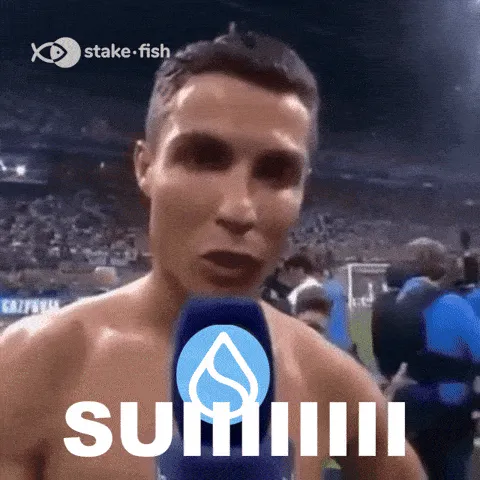
The receipt
Original post, embedded from Tiktok, linked and credited. Visuals on this page are shown for commentary and identification.
The receipts
Documented, dated uses of “mewing” — each quote is verbatim from the linked source.
“If a kid is mewing and trying to be funny, (I'll say), 'You can mew on your own time ... (please) answer the question.”
“When somebody comes up and asks you a question, particularly if it's the teacher or a parent, and you don't want to answer the question, you hit them with the (mewing)...”
“Mewing is the freshest teen trend driving parents up the wall.”
“Not only a slang word, mewing is a move.”
Every quote above passed the same verification gate this site publishes under: real source, real date, copied verbatim. See the editorial policy.
Why it's everywhere
Mewing spread as a classroom and at-home prank where teens silently dodge questions from adults by performing the gesture instead of answering, driving parents and teachers up the wall. It is described as 'the freshest teen trend' and has become 'big at school.'
The move is tied to looksmaxxing culture, giving it a built-in audience among teen boys interested in self-improvement trends online. It sits at the intersection of self-optimization and internet humor.
Teachers in London are reporting a 'new sort of epidemic' infiltrating their classrooms. It only affects boys, tends to occur in years five, six, and seven, and is described as 'extremely, mind-numbingly annoying.' Teachers report it being used near constantly, including attempts to do it in school photos, forcing teachers to intervene to prevent children from ruining the photos for their parents.
Some educators, like Philip Lindsay, tolerate mewing and other slang unless it's condescending, misogynistic, or disruptive. He uses a relationship-first approach, telling students 'You can mew on your own time... (please) answer the question,' and notes that 'the less I take these trends seriously, the less fuel they have.' Other teachers talk about how disrespectful it is, and London teachers report boys using it to undermine teacher authority.
The trend has spread via YouTube and other internet platforms, with boys as young as nine encountering incel-adjacent content online. Teachers confirm that pupils have seen it from their favourite YouTubers, even if they don't understand the cultural context behind it.
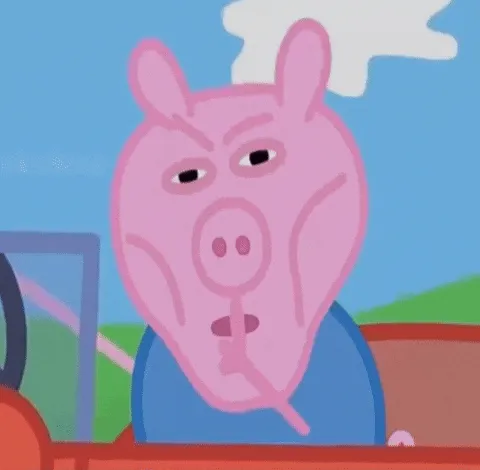
How to use it
Mewing is used playfully, not seriously. Students don't actually believe it will excuse them from answering questions. Some teachers consider it disrespectful; others tolerate it unless it becomes condescending, misogynistic, or disruptive. The American Association of Orthodontists states that scientific evidence supporting mewing's jawline-sculpting claims is 'as thin as dental floss,' noting that simply changing tongue placement isn't enough to reshape facial structure.
- “Sir, do you mew?”A year seven student in an East London secondary school asked a chemistry teacher this question directly. The teacher confirmed mewing's prominence in the younger year groups.
- “I can't answer your question right now. I'm mewing. I'm working on my jawline.”Philip Lindsay, a special education math teacher in Payson, Arizona, whose TikTok account deciphers teen slang, explaining what the gesture means when a student is asked a question by a teacher or parent.
- “You can mew on your own time... (please) answer the question.”Lindsay describing how he responds when a kid is mewing and trying to be funny in class, reflecting his relationship-first approach to classroom management.
- “I'm feeling sigma.”A secondary school pupil said this when asked how they were doing, linking mewing to broader alpha/sigma male language that teachers report boys discussing alongside the trend.
- “They tried to do it in our school photo and I had to tell them not to ruin the photo for their parents.”A year five teacher in a North East London primary school describing how pervasive the mewing face had become among students, even during formal occasions like school photographs.
Frequently asked
Does mewing actually work?
No. The American Association of Orthodontists says scientific evidence supporting mewing's jawline-sculpting claims is 'as thin as dental floss.' The President Elect of the British Academy of Cosmetic Dentistry adds that it would have to be performed for hundreds of hours consistently with possibly no breaks, making it unlikely to do anything.
Why do teens do the mewing gesture when asked a question?
It's a way to avoid answering. When a teacher or parent asks something, the student places a finger over their lips in a 'shhh' motion and traces their jawline, signaling they can't talk because they're mewing. Educators say kids do it for laughs, not because they think it actually excuses them.
Is mewing connected to incel culture?
Teachers report that boys who reference mewing also discuss being 'alphas' or 'sigmas,' language tied to incel-adjacent content. Some boys as young as nine have seen mewing on YouTube from their favorite YouTubers, though teachers say the kids often don't understand what the terms actually mean.
Related slang (2)
More slang (6)
Sources (5)
- nbcwashington.com — Why are teens ‘mewing’ and what is the trend all about? – NBC4 Washington
- aol.com — Why are teens 'mewing' and what is the trend all about? - AOL
- standard.co.uk — Mewing: Why London schoolboys as young as nine are obsessed with this incel facial expression | The Standard
- today.com — The Teen Mewing Trend, Explained
- en.wiktionary.org — Wiktionary: mewing