Gen Z Slang · insult
What Does 'clown' Mean?
Mainstream
See it in action
Video: The True Meaning of Clown, embedded from its original platform.
What it means
As a noun, clown most commonly refers to a foolish or ridiculous person, a slang insult that implies someone lacks sense or behaves in a silly, boorish way.
This usage aligns with dictionary definitions that describe a clown as a stupid person, a coarse or ill-bred individual, or simply “a downright fool.” At the same time, the word retains its literal meaning as a circus performer wearing bright makeup, oversized shoes, and a red nose, though that sense is less frequent in everyday Gen-Z conversation.
As a verb, to clown someone means to mock, ridicule, or humiliate them, often by pointing out their foolishness; to clown around is to act foolishly or play the fool.
Sources such as Green’s Dictionary of Slang note the verb’s senses of “to ridicule, to humiliate” and “to defeat in a humiliating manner,” while Dictionary.com defines it as “to act like a clown” or “to play jokes or tricks.” In online spaces, the verb appears when friends clown each other for trying new slang or when commenters clown athletes for perceived mistakes.
The tone of clown varies with context. Among friends it can be light-hearted teasing, similar to calling someone a goofball, whereas in political or public discourse it functions as a pointed insult meant to dismiss credibility, exemplified by Joe Biden’s 2020 debate remarks calling Donald Trump a clown.
Because the term conveys contempt without relying on profanity, it fits well in meme-driven, fast-moving conversations on platforms like Twitter, TikTok, and Reddit, where users seek a quick, visual way to label behavior as absurd or contemptible. [1][2][3][4][5][6]
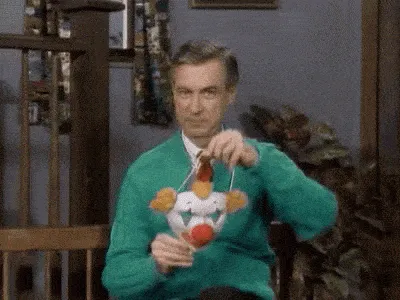
The receipts
Documented, dated uses of “clown” — each quote is verbatim from the linked source.
“Well, it's hard to get any word in with this clown.”
“Folks, do you have any idea what this clown's doing? Do you?”
“”
“”
Every quote above passed the same verification gate this site publishes under: real source, real date, copied verbatim. See the editorial policy.
Why it's everywhere
The term surged into mainstream visibility in September 2020 when former Vice President Joe Biden used clown twice during the first presidential debate, calling President Trump a clown amid heated exchanges. Media coverage highlighted the moment, noting that Biden’s team likely adopted the term after seeing its popularity among Gen-Z users on Twitter and TikTok. This high-profile use cemented clown as a recognizable insult in the national lexicon.
Prior to 2020, clown had already been circulating in online slang: Urban Dictionary entered a definition in 2010 describing it as “a downright fool,” and a 2013 tweet praised the phrase “who’s this clown?” as an effective burn. The word’s versatility, working as both noun and verb, its brevity, and its strong visual association with circus foolishness, made it ideal for meme culture and call-out commentary.
Consequently, it remains a go-to term for labeling perceived foolishness across gaming streams, sports chats, and everyday conversation, keeping it relevant years after its initial spike.

How to use it
Casual, playful insult among peers; not appropriate in formal settings and generally not considered cringe when used sincerely.
- “When u trying out new slang and ur friends clown u for it”casual conversation among friends teasing someone for experimenting with language
- “Folks, do you have any idea what this clown's doing? Do you?”political commentary, used by Joe Biden during a 2020 presidential debate to criticize an opponent
- “Reddit sub r/sportsgossips? It just seems like a sub for people to relentlessly clown and hate on (female) athletes”online forum discussing harassment of athletes
- “He got clowned after missing that easy shot, and the chat exploded with laughter”gaming stream where a player is mocked for a mistake
Frequently asked
Is calling someone a clown always offensive?
It depends on tone and relationship; among friends it can be teasing, but in public or political contexts it is meant as a disparaging insult.
Can clown be used as a verb?
Yes, to clown someone means to mock or humiliate them, and to clown around means to act foolishly or play the fool.
Why did clown become popular in 2020?
Its rise was boosted when Joe Biden called Donald Trump a clown during the 2020 presidential debate, bringing the existing Gen-Z slang into mainstream notice.
Related slang
More slang
Sources
- elle.com — How 'Clown' Became The Insult Of 2020
- en.wiktionary.org — Wiktionary: clown
- urbandictionary.com — Urban Dictionary: clown
- greensdictofslang.com — clown, v. — Green’s Dictionary of Slang
- dictionary.com — CLOWN Definition & Meaning | Dictionary.com
- Live social usage (X/Reddit, harvested by our own runner) — Real posts using "clown"