Gen Z Slang · food, reaction
What Does 'Bussin' Mean?
Peaking now
“I read the reviews of this restaurant, and most of the reviews said that the food here is bussin’.”
via neonmusic.co.uk
See it in action
Video: What Does "Bussin’" Really Mean? 🤤 The Slang Term Explained, embedded from its original platform.
What it means
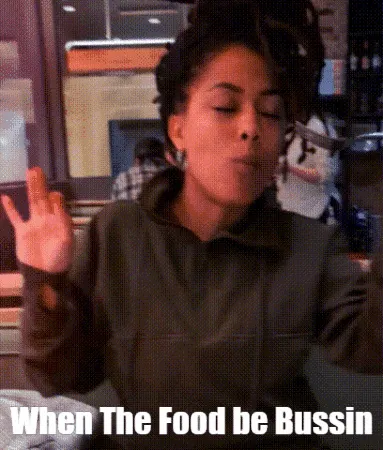
The dominant current usage of bussin among US Gen Z is as an adjective describing something exceptionally good or delicious. It is most commonly applied to food: if someone calls your meal bussin, it is a compliment about its taste and quality. The term functions as an enthusiastic stamp of approval, showing excitement and approval in a fun, casual way.
Urban Dictionary community definitions reinforce this, with users describing it as what you would say if something was really good, or when food is good enough to 'rub your bare toes together and shmack them lips.'
While food remains the primary context, bussin has expanded to encompass other awe-inspiring aspects of life. It can describe a fashion choice that turns heads, a sleek-looking car, cleverly crafted lyrics, or any experience that warrants strong approval.
It is used in social media posts, casual conversations, food reviews, and general praise as an incredibly informal way to communicate how one views their opinions on certain entities, usually functioning as a noun, opinion, or adjective.
An older sense of bussin, originating in African American Vernacular English (AAVE), was associated with dancing rather than food, traceable to at least 2009. Over time and with the rise of social media, the term evolved to predominantly describe delicious food before broadening further.
The phrase bussin bussin can be used as a doubled, conjoined form to emphasize major forms of pleasure or approval when an object or view is so well-liked that a single bussin does not suffice.
According to the Red Lab Gen Z Slang Report, Gen Z's language goes beyond words, reflecting identity and culture. Phrases like bussin carry deeper meaning, representing confidence, context, and attitude. This evolving style mirrors how younger generations communicate in a fast-moving digital, meme-driven world, using language to express emotion, irony, and identity in fast, digital conversations. Carol Goyal describes Gen Z communication as a 'glowing, glitching' mirror of modern culture. [1][2][3][4]

The receipt
Original post, embedded from Reddit, linked and credited. Visuals on this page are shown for commentary and identification.
The receipts
Documented, dated uses of “bussin” — each quote is verbatim from the linked source.
“This guide helps decode not just words, but also tone and context, offering insight into how the Internet generation communicates and connects.The words for this week are 'Bussin', 'Chef's Kiss' and 'Tea'.”
“So, if someone calls your meal 'bussin', it’s actually a compliment about its taste and quality.Why it matters?”
“Gen Z slang is fast, expressive, and often shaped by social media — their phrases carry tone, emotion, and context. If you're struggling to decipher Gen Z language, you've reached the right place. This guide helps decode…”
“IntroductionIn the ever-evolving landscape of language and slang, Gen Z continues to surprise with their unique vocabulary. One such term that has gained significant popularity is bussin.This article aims to delve into t…”
“Bussin – Originally from AAVE, describes something exceptionally good, particularly food that is very delicious or flavorful. Can be used more broadly for anything excellent or exciting.Bussin – Gen Alpha Slang Dictionar…”
Every quote above passed the same verification gate this site publishes under: real source, real date, copied verbatim. See the editorial policy.
Why it's everywhere
TikTok's short-form video format became the perfect breeding ground for challenges and phrases to take root, helping bussin find its way into the mainstream. The platform is known for creating trends and popularising slang terms, and bussin was no exception.
A notable figure who inadvertently sparked the bussin craze on TikTok was Janelle Rohner, a health and food guru. Her TikTok page focused on showcasing keto meals and promoting her low-calorie cookbooks. In one of her videos, where she creatively presented an obscure bell pepper sandwich, users left sardonic comments describing it as bussin.
This ironic or sardonic use of the term in a comment-section pile-on helped propel the word into viral visibility, demonstrating how TikTok's interactive culture can repurpose slang for humor and social commentary.
Through the widespread use of social media platforms like TikTok, bussin quickly gained popularity and transcended racial and ethnic boundaries. Today, it is predominantly used by Gen Z-ers, teenagers, and young adults who are well-versed in the ever-evolving landscape of slang.
The Red Lab Gen Z Slang Report explores how younger generations use language to express emotion, irony, and identity in fast, digital conversations. The report aims to help marketers, creatives, and users better understand the evolving language of today's online world, noting that this evolving style mirrors how younger generations communicate in a fast-moving, meme-driven world.
The term's adoption reflects Gen Z's desire for expressive, flavorful communication that adds excitement and makes praise feel fresh, fun, and memorable.
How to use it
Use as an adjective to describe something extremely good or impressive, particularly food. Common in casual conversations and online communication. Can be intensified by repeating the word as bussin bussin.
- “This new pizza place is bussin, you have to try it!”Recommending a restaurant to a friend with strong enthusiasm
- “Mom's thanksgiving dinner was bussin fr fr!”Praising a home-cooked holiday meal, combining bussin with 'fr fr' (for real for real) to emphasize sincerity
- “The new album is absolutely bussin, every track hits different.”Reviewing music on social media, extending the term beyond food to praise an artistic experience
- “Yo, this burger is bussin bussin.”Emphasizing extreme approval of food using the doubled, conjoined form to signal major pleasure
- “I read the reviews of this restaurant, and most of the reviews said that the food here is bussin'.”Citing online reviews to vouch for a restaurant's quality before visiting
- “tay- i didnt know yo mama could cook this good! jj- yea her food be bussin”A casual exchange between friends complimenting a home-cooked meal, as documented on Urban Dictionary
- “Let's go eat some bussin' food and enjoy the night!”Building excitement for a night out by pre-qualifying the food as exceptional
Frequently asked
Does bussin only refer to food?
No. While it is most commonly associated with food, its usage has expanded to describe anything exceptionally good, including fashion, cars, lyrics, and other impressive things.
What does bussin bussin mean?
Bussin bussin is a doubled form used to emphasize major approval or pleasure, indicating that something is so well-liked that the single word is not enough.
Where is bussin typically used?
It is used on social media platforms like TikTok, in casual conversations, food reviews, and general expressions of praise, primarily by Gen Z and young adults.
Related slang (2)
More slang (6)
Sources (4)
- freepressjournal.in — 'Bussin', 'Chef's Kiss' & 'Tea': Gen Z Slang Decoded And Defined
- neonmusic.co.uk — The Delicious Delight of Bussin: Exploring the Meaning, Origin, and Popularity of a Gen Z Slang | Neon Music
- hoomale.com — What does Bussin mean? Slang Dictionary - Gen Alpha World
- urbandictionary.com — Urban Dictionary: bussin