Meme · meme
The 'tung tung tung sahur' Meme, Explained
Fading
Via GIPHY (@FrigmorTheRizzler)
See it in action
Video: Tung Tung Tung Sahur but in 4K (Original Meme), embedded from its original platform.
What the meme is
The phrase “tung tung tung sahur” operates as a deliberately vague, absurdist meme tag that signals something bizarre, unsettling, or comically out-of-place. In practice users drop the three-syllable chant onto image macros, short videos, or comment threads to inject a surreal, almost folkloric flavor.
Because the phrase contains no concrete referent, its meaning is fluid: it can describe a physically odd individual (most commonly a man with abnormally large feet), a fictional monster that prowls at the pre-dawn meal known as sahur (the early-morning meal Muslims eat before fasting), or any nonsensical concept the poster wishes to exaggerate for comedic effect.
The repeated “tung” mimics a gong-like toll, reinforcing the idea of an ominous warning, while the trailing “sahur” anchors the nonsense in a specific cultural moment (the pre-dawn meal), creating a hybrid of internet absurdity and mock-folklore.
The phrase is therefore used both as a humorous exaggeration, "that guy’s sneakers are pure tung tung tung sahur", and as a tongue-in-cheek cautionary tale, "ignore three calls for sahur and the Tung Tung Tung Sahur will appear", allowing it to function as a versatile punchline across a range of contexts, from light-hearted shoe jokes to low-key horror-themed memes. [1][2]
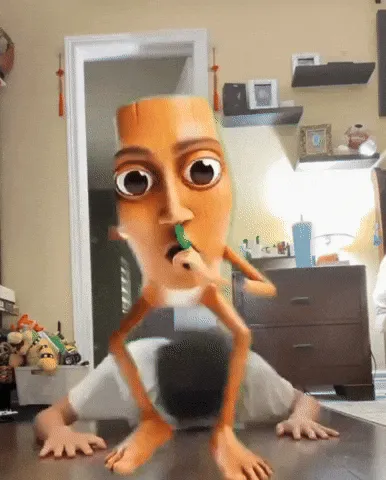
The receipt
Original post, embedded from Twitter, linked and credited. Visuals on this page are shown for commentary and identification.
Origin
First seen: debated
The earliest documented appearances of “tung tung tung sahur” are found on Urban Dictionary, where multiple independent contributors submitted contradictory definitions in early 2026.
One entry describes it as “a man with big feet,” another as an “Italian brain-rot baseball bat,” and a third as a “scary anomaly that only comes out at Sahur, appearing after three unanswered calls.” These entries share no common author or originating post, indicating that the phrase emerged organically within the broader internet culture of rapid, collaborative word-creation.
The lack of a single viral video, tweet, or TikTok that can be pinpointed as the source suggests that the term spread through a decentralized process: users encountered the phrase in one definition, found it amusingly ambiguous, and began echoing it in comments, caption overlays, and short-form videos.
The “Sahur” component likely entered the meme through the niche practice of referencing specific cultural rituals (in this case, the Muslim pre-dawn meal) to lend an exotic veneer to otherwise meaningless jargon.
Over the following weeks, the phrase proliferated across TikTok, Instagram Reels, and Discord meme channels, each new iteration adding a layer of invented lore (the gong-like “tung” sound, the three-call warning) that reinforced its meme-ability despite the absence of a concrete origin story. [1][2]
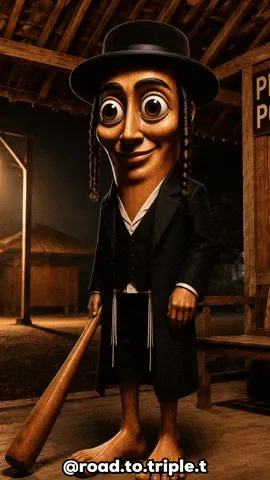
How it spread
The meme’s brief surge in popularity can be traced to several intersecting platform dynamics that favor short, cryptic catchphrases. First, TikTok’s algorithm rewards content that pairs a striking visual with a punchy, repeatable audio or text hook; the rhythmic "tung tung tung" fits this formula, allowing creators to overlay the phrase on everything from sneaker unboxings to glitch-art videos, instantly giving the clip a quirky, meme-ready identity.
Second, Instagram Reels and meme-centric Discord servers thrive on rapid remix culture, users can copy-paste a phrase into a caption or comment without needing to explain it, relying on the community’s collective understanding to fill in the blanks.
Third, the built-in horror element (the imagined creature that appears after three ignored sahur calls) provides a narrative hook that creators can exploit for spooky-aesthetic posts, especially during late-night streaming sessions or “creepypasta” threads. Finally, the phrase’s ambiguous roots on Urban Dictionary gave it a veneer of authenticity: the multiple definitions themselves became part of the joke, encouraging users to cite the dictionary entry as a tongue-in-cheek source.
However, because the meme never anchored to a single, highly shareable piece of media, no celebrity endorsement, no chart-topping song, no viral challenge, it lacked the momentum needed for long-term mainstream penetration. As newer absurdist phrases entered the feed, “tung tung tung sahur” faded, remaining a niche reference for those who enjoy obscure internet folklore.
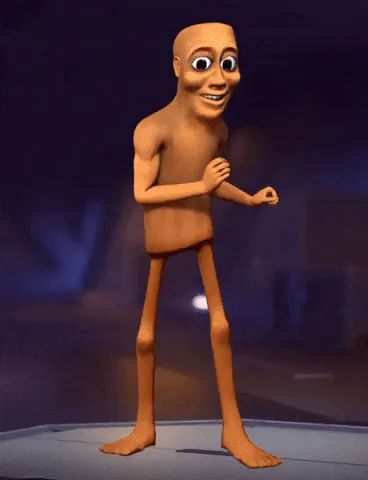
Variants & examples
Mostly used for ironic, goofy humor; considered outdated and a bit cringe in 2026.
- “I swear I heard the Tung Tung Tung Sahur knocking on my door at 3 am, but it was probably just the wind.”A friend recounts a spooky, late-night story in a Discord voice channel, using the phrase to amplify the eerie vibe.
- “Dude, that guy's shoes are massive, total Tung Tung Tung Sahur vibes.”Comment on a TikTok video featuring someone walking in oversized platform sneakers, employing the phrase as a hyperbolic compliment.
- “When the power went out and the house fell silent, I thought the Tung Tung Tung Sahur was coming for me.”Caption on an Instagram Reel showing a dark bedroom with flickering lights, playing on the meme’s horror-lore aspect.
- “Just saw a glitchy animation of a creature that looks like a cat-toaster hybrid, totally Tung Tung Tung Sahur material.”Reddit post in r/memes sharing a bizarre animation, using the phrase to label the content as quintessentially absurd.
Frequently asked
Is "tung tung tung sahur" a real creature?
No, it’s a made-up meme monster used for comedic or spooky effect.
Where did the phrase come from?
It first showed up in Urban Dictionary entries with no clear source, spreading through random meme posts.
Can I still use it in jokes?
You can, but it’s considered dated and may come off as cringe to younger audiences.
Related memes
More memes
Sources
- knowyourmeme.com — Know Your Meme: tung tung tung sahur
- urbandictionary.com — Urban Dictionary: tung tung tung sahur