Gaming & Internet Culture · gaming
What Does 'skill-based' Mean in Gaming?
Mainstream
See it in action
Video: Class versus Skill-Based Games - Running RPGs, embedded from its original platform.
What it means
In everyday gaming talk, 'skill-based' is a label players slap on anything where your personal ability decides the result. The most common place you'll hear it is in the phrase skill-based matchmaking, usually shortened to SBMM. That's the system in competitive games that looks at your performance and queues you against people at roughly your level.
Games like League of Legends, Counter-Strike, Dota 2, and Overwatch are built around it, and the rating systems underneath it descend from chess's Elo system and Microsoft's TrueSkill, which was built for Xbox Live after researchers were unhappy with the Halo 2 beta's ranking.
When someone says a game is 'skill-based' in this sense, they're usually making a point about fairness: you win because you outplayed someone, not because the lobby was random or because someone swiped a credit card. Urban Dictionary entries capture this vibe too, framing skill-based PvP as the opposite of pay-to-win.
The second big sense lives in the real-money and casino world, where 'skill-based gaming' is an industry and legal category. There, it means a game where the outcome is primarily determined by physical or mental skill instead of pure chance, think a free-throw contest rather than a slot machine.
Companies lean on the label hard because it separates them from gambling: Rush by Hike's campaign positioned its Ludo platform as a 'skill-based alternative' in a segment criticized for chance-driven formats, and VIP Play pitched skill-based gaming precisely because it can operate nationwide without sportsbook licenses.
So the same word does double duty: in your Discord it means 'the matchmaker put me against sweats my own level,' and in a press release it means 'this is legally skill, not luck.' Both uses share one core claim, the better player should win.
Tone-wise, 'skill-based' is often a complaint as much as a compliment. Streamers and high-level players have pushed back on strict SBMM because every match becomes a sweat-fest; Warzone streamers famously hunt 'bot lobbies' with less-skilled players, and names like Nadeshot, Shroud, CouRage, and TimTheTatman have all publicly criticized or protested skill-based matchmaking in Call of Duty titles.
So when someone in chat says 'this game is too skill-based now,' they usually mean casual fun got squeezed out by the matchmaker. Conversely, saying a game 'isn't skill-based' is an insult, it implies wins come from luck, broken mechanics, or wallets. [1][2][3][4][5][6]
The receipts
Documented, dated uses of “skill-based”: each quote is verbatim from the linked source.
“It positions Rush Ludo, the platform’s flagship game, as a skill-based alternative in a segment often criticized for chance-driven formats.”
“A key competitive advantage of our skill-based gaming initiative is its nationwide accessibility without the regulatory burden of sportsbook licensing requirements.”
Every quote above passed the same verification gate this site publishes under: real source, real date, copied verbatim. See the editorial policy.
Where it started
First seen: 2013
The term 'skill-based matchmaking' is documented in gaming coverage archived via Game Informer's 2010 Dota 2 announcement feature (archived 2013), where Valve's approach to matching players by ability through Steamworks was discussed as a way to lower the barrier to entry for new players.
The underlying rating math is much older: the Elo system came from chess, and Microsoft researchers deployed the Bayesian TrueSkill system on Xbox Live after being unhappy with the Halo 2 beta's ranking. [1][2][3][4][5][6]
Why it's everywhere
The term stays everywhere because it sits at the center of two live fights. In multiplayer gaming, SBMM is one of the most argued-about design choices in the industry: Destiny 2's February 2023 introduction of skill-based matchmaking caused community outcry when high-skilled players found ways into lower-skilled lobbies, and every new Call of Duty release restarts the debate about whether the matchmaker is protecting casuals or punishing good players.
The controversy keeps 'skill-based' in constant rotation on streams, Reddit threads, and patch-note discourse, it's the word players reach for whenever a game feels too sweaty or too random.
At the same time, 'skill-based gaming' has become a serious business category, which keeps the phrase in the news. VIP Play announced a move into what it called a $9-11 billion skill-based gaming market, touting rake rates of 8-20% and the ability to operate without sportsbook licenses.
Real-money skill-gaming company Topdog raised a $2.5 million seed round led by Boston Seed Capital, bringing its total to $4.1 million, to expand real-time multiplayer sports, card, and strategy games where 'skill genuinely translates into real-money rewards.' In India, Rush by Hike built its entire first brand campaign around being a skill-first alternative to chance-driven formats.
As long as money and matchmaking both hinge on the skill-versus-luck question, the word isn't going anywhere.

How it gets used
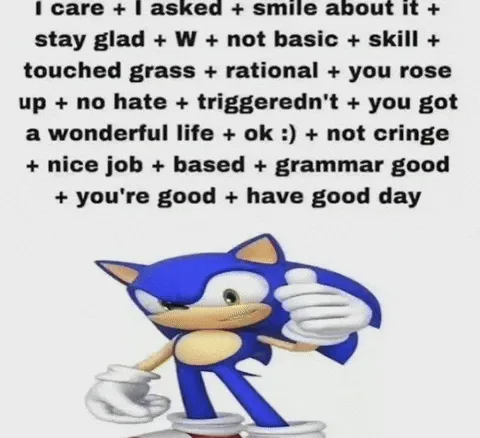
Neutral, technical register, fine in any gaming convo. Not cringe, but complaining about SBMM constantly is its own meme at this point.
- “I can't even chill in pubs anymore, the skill-based matchmaking puts me against sweats every single game.”complaining in a Twitch chat during a Warzone stream
- “Chess is the original skill-based game, zero RNG, you just get outplayed.”Discord debate about luck vs skill
- “They market it as skill-based gaming so it doesn't count as gambling, but half the lobby is still just rolling dice.”Reddit comment on a real-money gaming app
- “If you want actual skill-based PvP, play a MOBA, no pay-to-win, just who plays better.”recommending a game to a friend
- “Destiny 2 added skill-based matchmaking and the whole community lost it within a week.”gaming Twitter/X discourse
Frequently asked
What does skill-based mean in gaming?
It means the outcome is decided by player ability rather than luck or spending. It's used both for matchmaking systems that pair you with players at your level (SBMM) and for real-money games that market themselves as skill-first alternatives to gambling.
What is skill-based matchmaking (SBMM)?
SBMM is a matchmaking system that uses your performance data to queue you against players of similar skill. Games like League of Legends, Counter-Strike, Dota 2, and Overwatch rely on it, and the rating math descends from chess's Elo system and Microsoft's TrueSkill.
Why do streamers complain about skill-based matchmaking?
Strict SBMM makes every match feel like a sweat-fest, which is exhausting and bad for content. Warzone streamers hunt 'bot lobbies' with less-skilled players, and figures like Nadeshot, Shroud, and TimTheTatman have publicly criticized or protested SBMM in Call of Duty.
Is skill-based gaming the same as gambling?
Legally, no, that's the whole point of the label. A skill-based game is one where the outcome is primarily determined by physical or mental skill instead of chance, which is why companies like VIP Play say they can operate nationwide without sportsbook licenses.
Related terms (5)
More gaming (6)
Sources (6)
- exchange4media.com — Ad Review: Rush by Hike introduces skill-based gaming with a desi twist
- prnewswire.com — VIP Play, Inc. Makes Strategic Move into the $9-11 Billion Skill-Based Gaming Market
- thetechedvocate.org — This $2.5 Million Investment Just Blew Open Real-Time Gaming's Future - The Tech Edvocate
- gulfstatesgaminglaw.com — Skill-Based Gaming (Part I): What is a Skill-Based Game? | Gulf States Gaming Law
- en.wikipedia.org — Wikipedia: Skill-based matchmaking
- urbandictionary.com — Urban Dictionary: skill-based